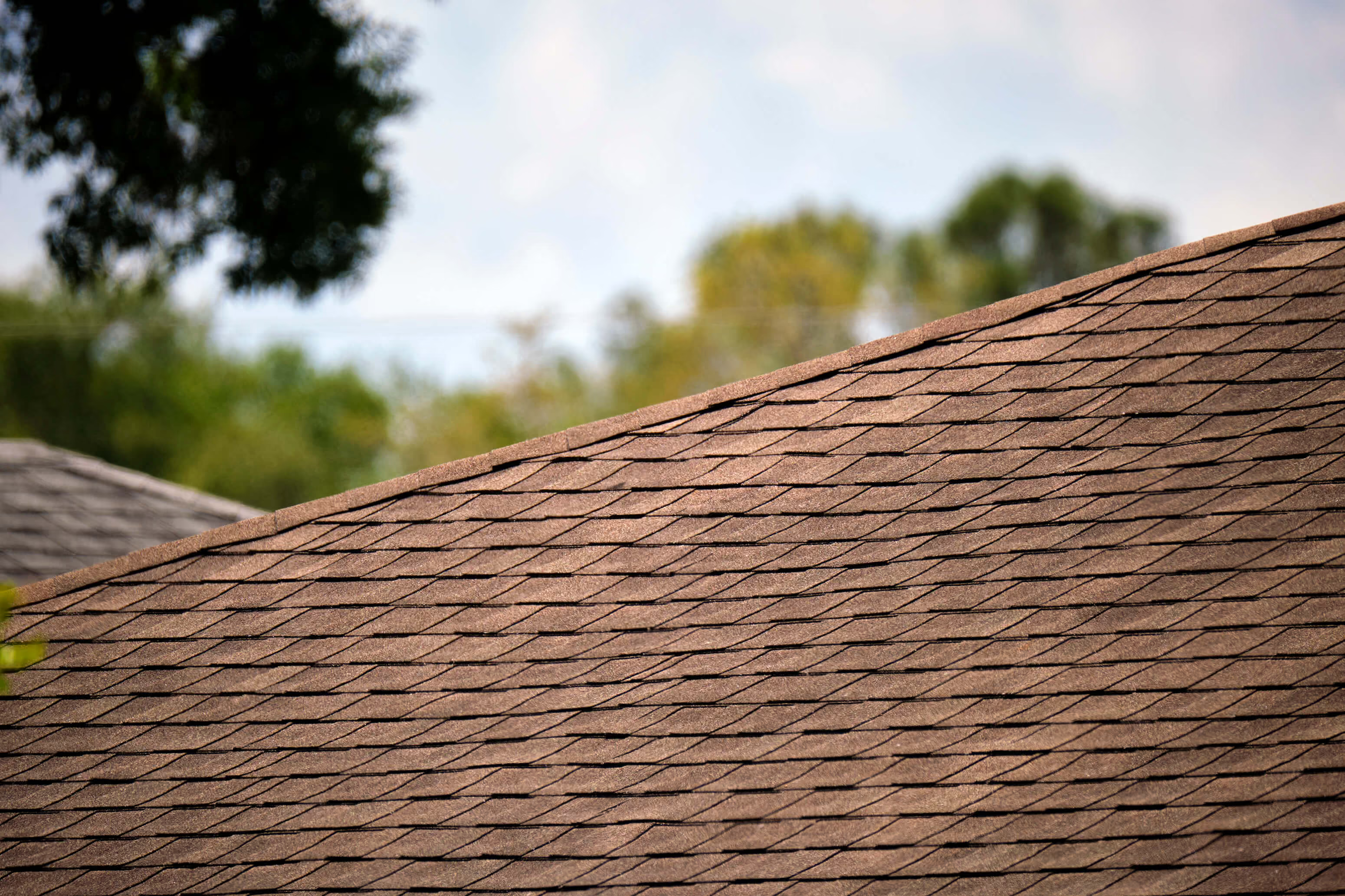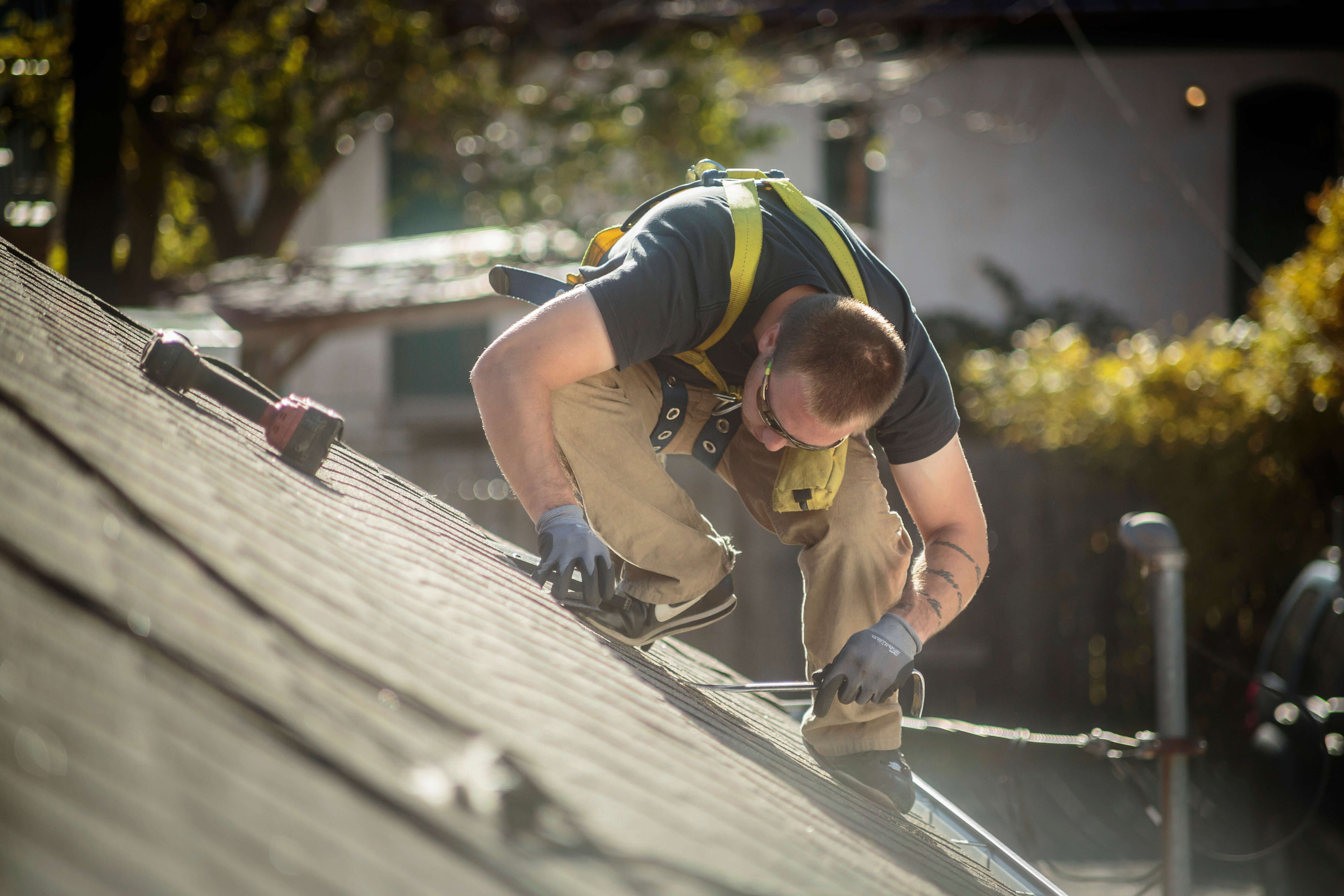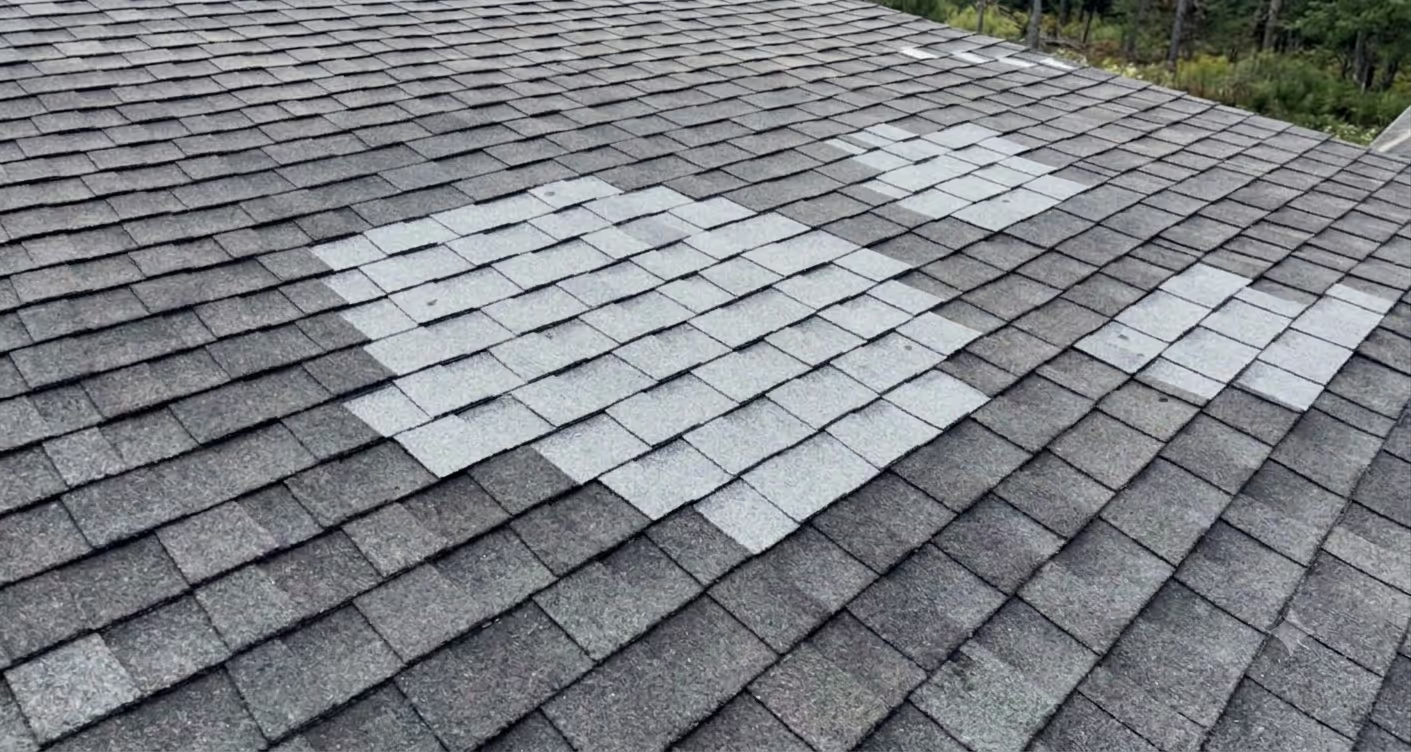
When a roof is partially damaged, insurance carriers typically approve repairs for the affected areas only. The challenge is that new shingles rarely match existing ones. Over time, the original shingles fade, weather, and may even become discontinued, making a consistent appearance difficult to achieve.
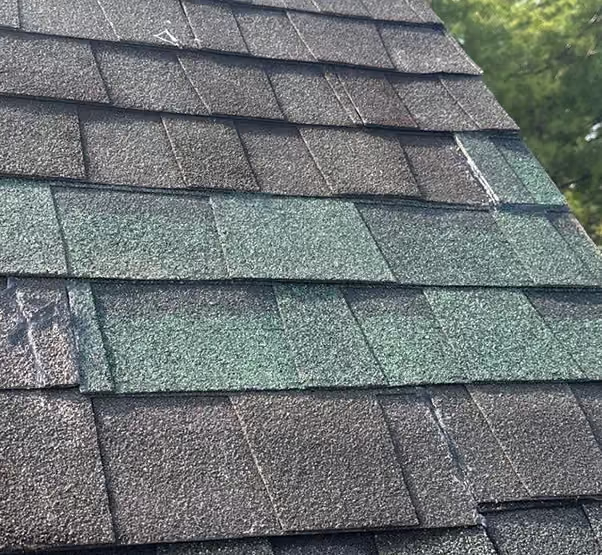
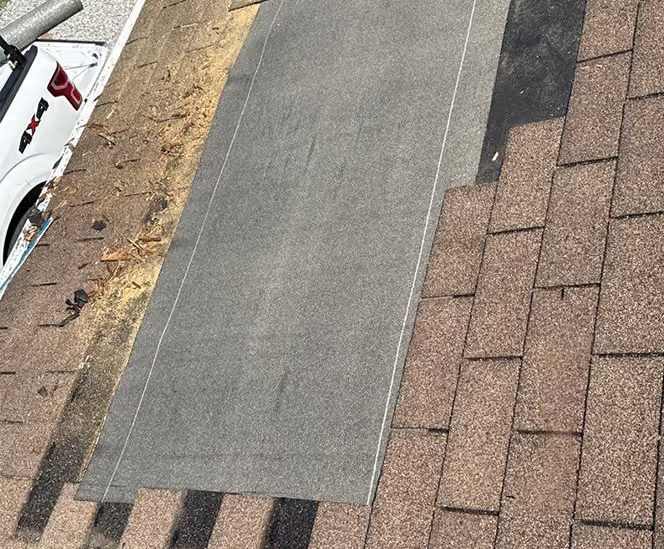
Some insurance policies require repairs to result in a “reasonably uniform appearance.” When a repaired section doesn’t match the rest of the roof, it can raise questions about whether the outcome meets that standard. Matching requirements vary by policy and may affect how a claim is resolved, sometimes leading to full roof replacement.


When a repair can’t achieve a uniform appearance, it can change the scope of the claim, sometimes requiring full roof replacement. What starts as a minor repair can quickly become a much larger claim.
Examples of states where matching requirements have been established include:
Alaska
California
Connecticut
Florida
Iowa
Kentucky
Louisiana
Montana
Nebraska
Ohio
Rhode Island
Tennessee
Utah
Vermont
West Virginia
Wisconsin
Other states may have similar standards based on policy interpretation or legal precedent. Always review the specific guidelines that apply to your location and claim.
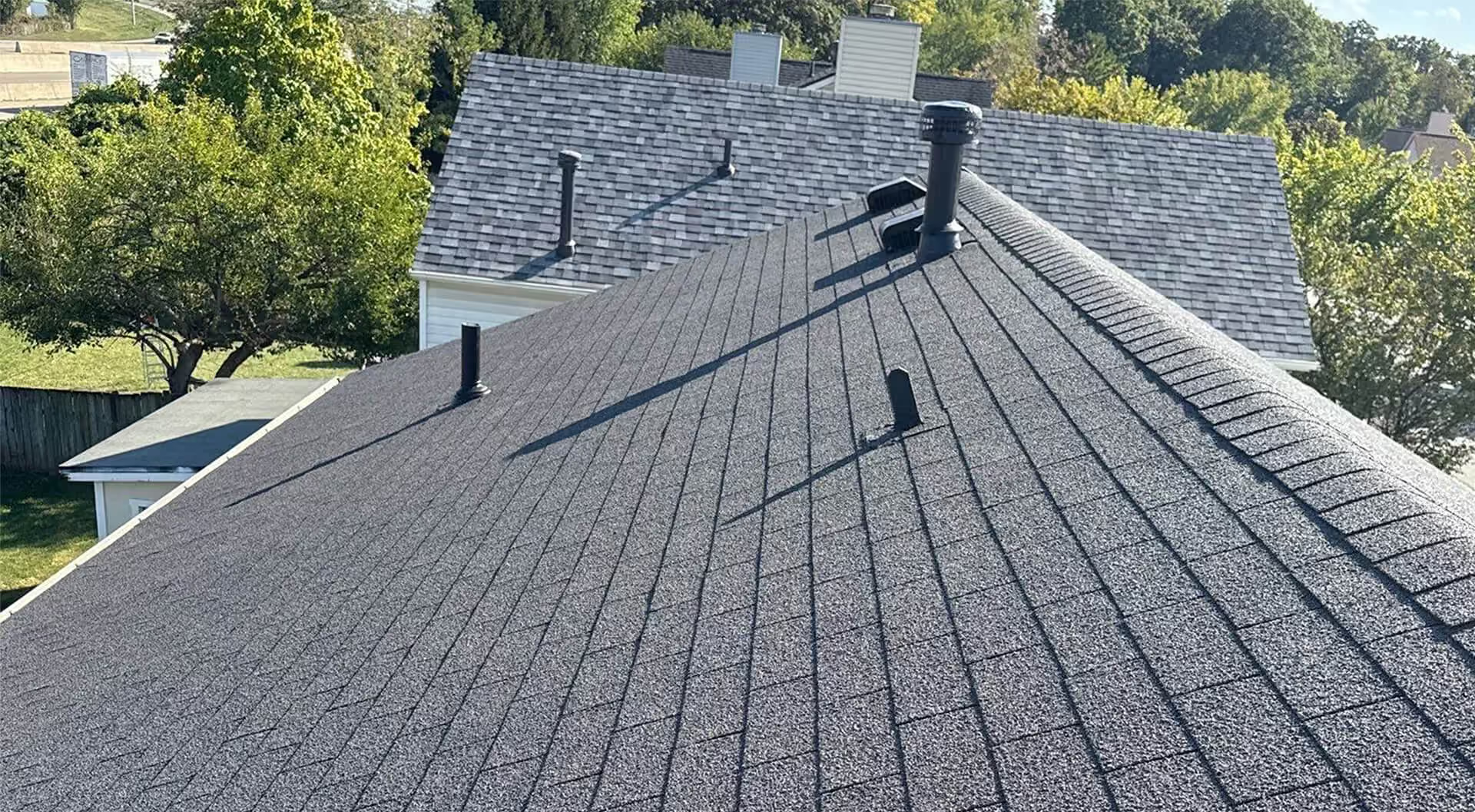
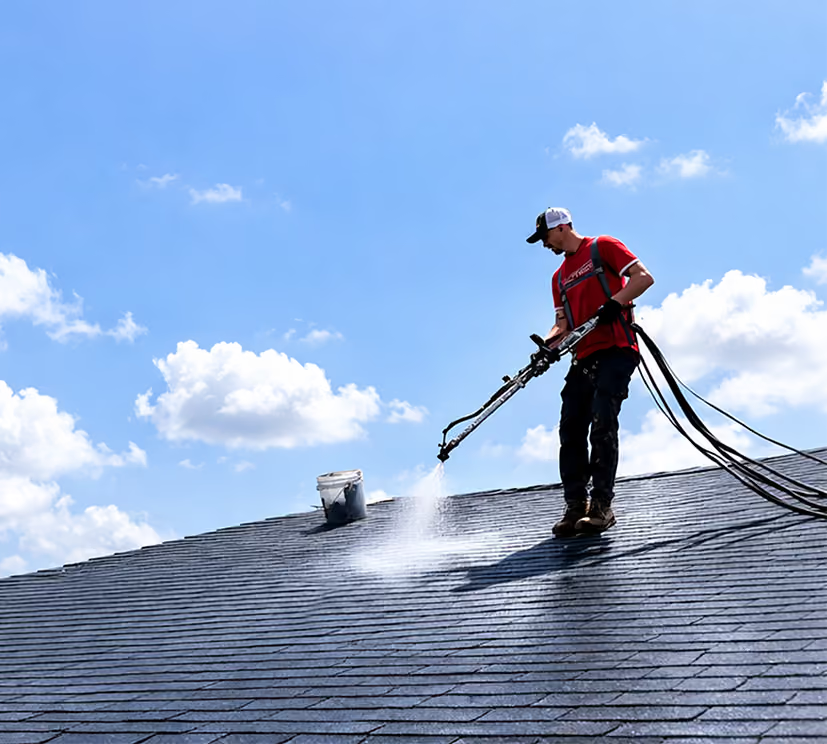
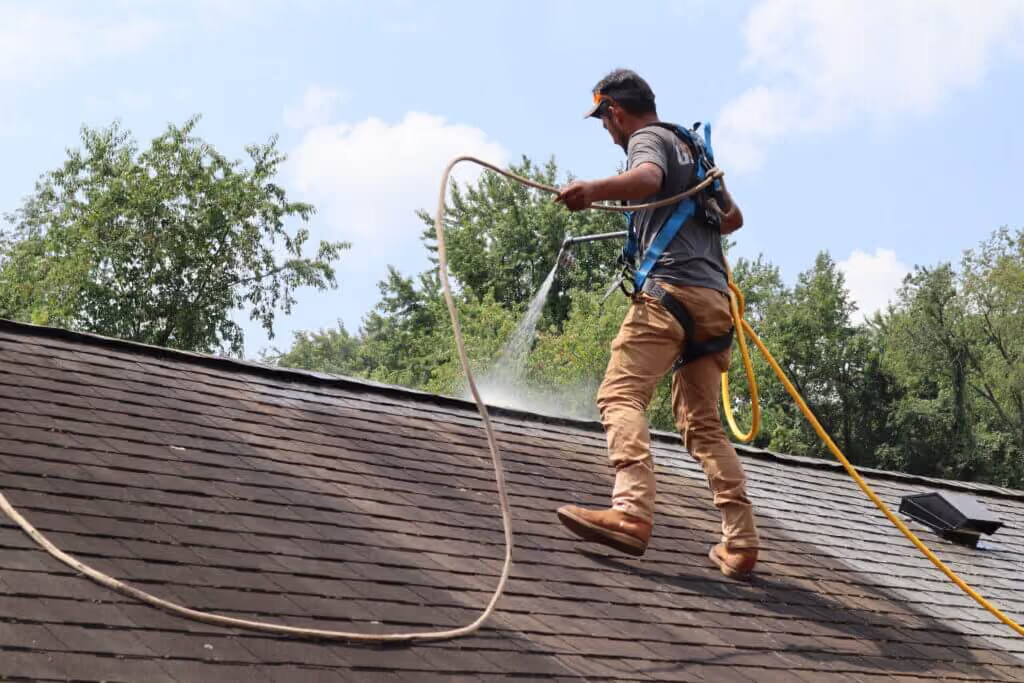
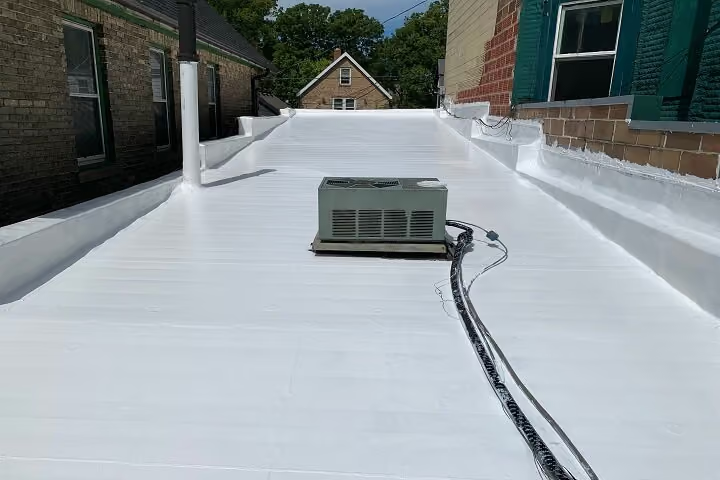
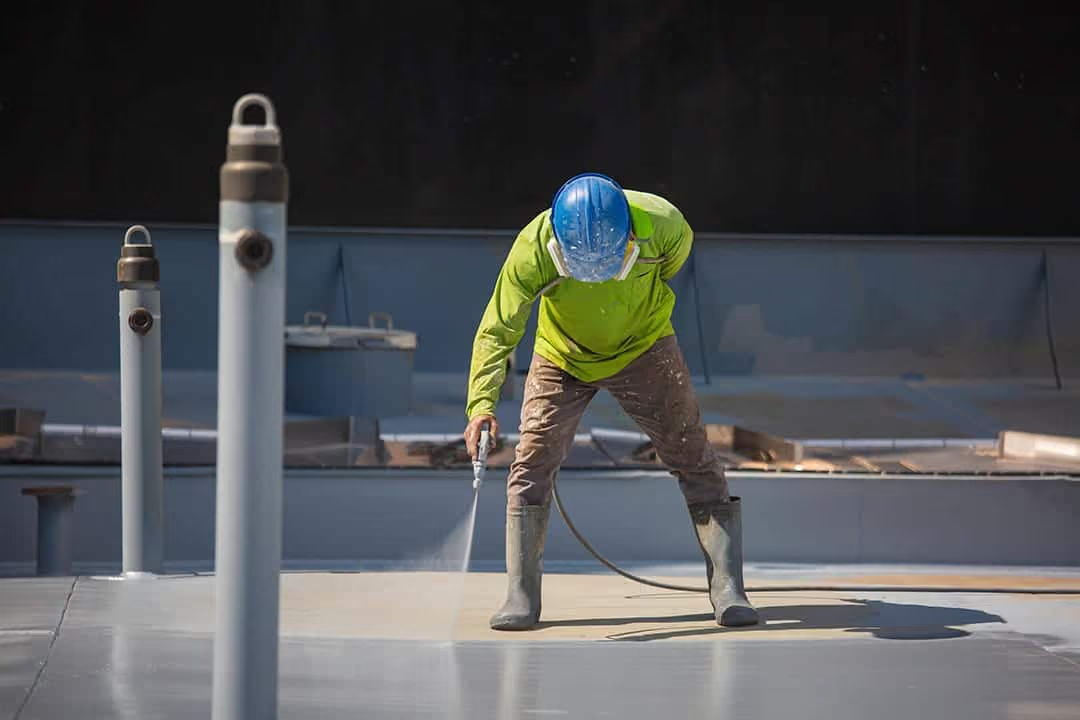
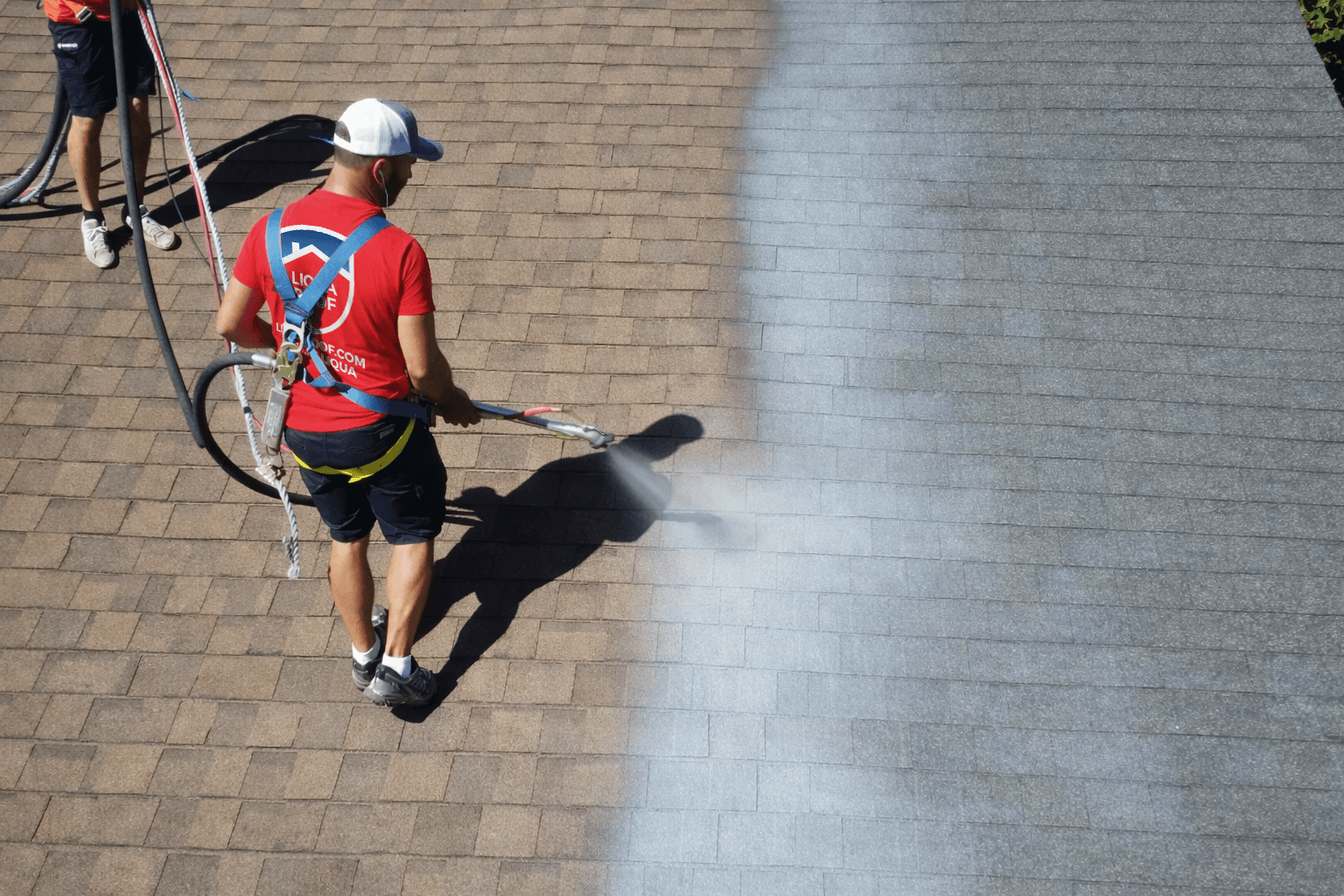
We repair the damaged areas first, then resurface the entire roof with our patented roof resurfacing system. By fully resurfacing the roof with a brand new, high-build granule layer, Liqua-Roof is able to achieve a consistent color and finish across the entire surface, eliminating any visible patches and restoring a like-new, uniform appearance.
.svg)
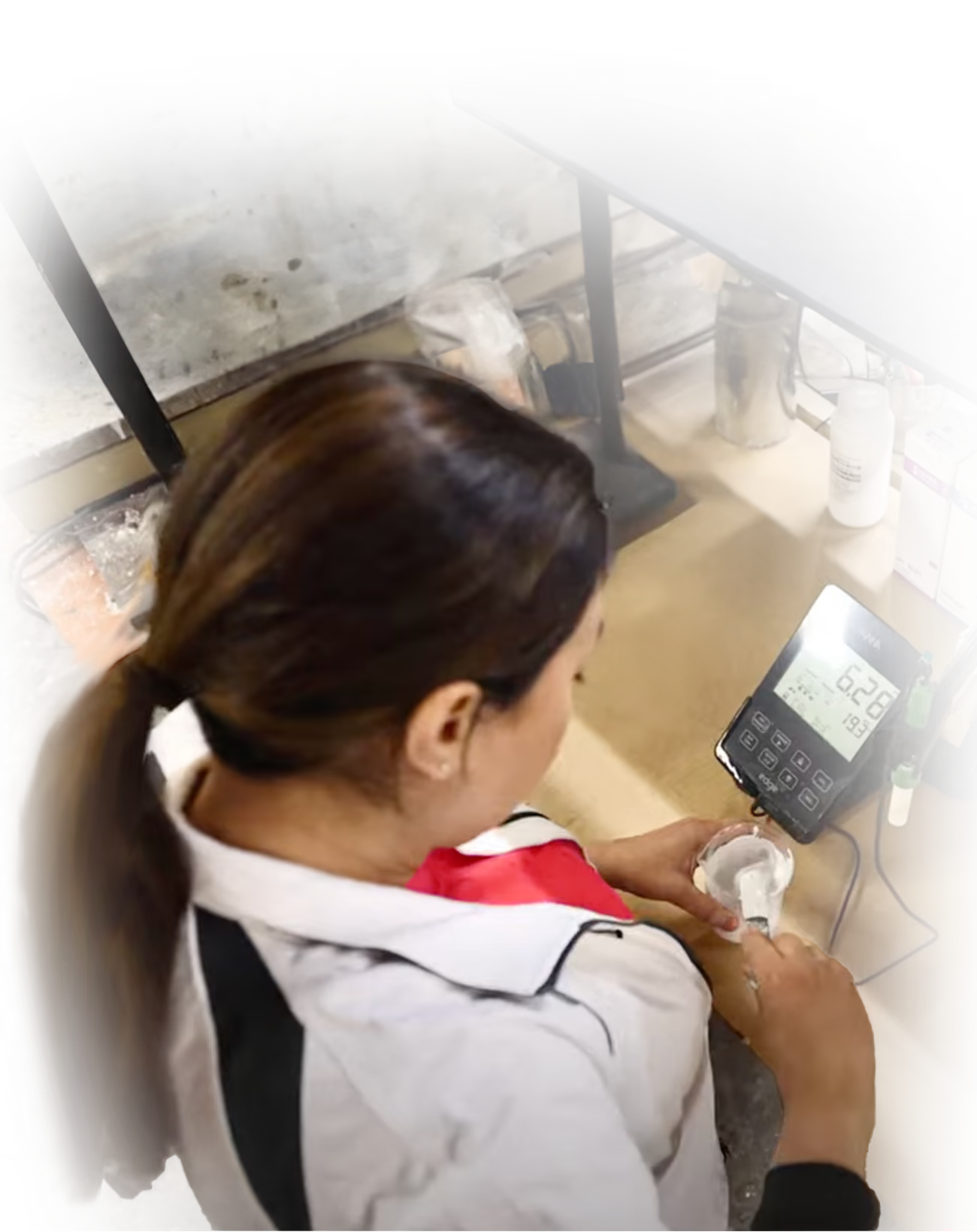
Liqua-Roof’s repair and resurfacing solution provides a smarter solution for homeowners, insurers, and adjusters alike.
BENEFITS
BENEFITS
BENEFITS
Learn more about roof matching, insurance claims, and how Liqua-Roof helps solve patchwork and uniformity issues.
When a roof sustains partial damage — from hail, wind, or storm debris — the insurer typically wants to pay for the damaged section only. The problem is that replacement shingles almost never match the existing ones. Shingles fade and weather over time, and once a product line is discontinued, an exact match is often impossible. The result is a visually mismatched roof that looks patchy and can reduce your home's value. Many states have regulations requiring insurers to achieve a "reasonably comparable appearance" after a repair — and when a standard patch job can't deliver that, a full roof replacement may be required instead. That's the matching problem.
It depends on your state. There is no federal matching law. Many states have statutes or regulations requiring insurers to replace as much of a roof as needed to achieve a reasonably comparable appearance. Others rely on case law or individual policy language. In states with strong matching requirements, if a repair can't achieve visual uniformity, the insurer may be obligated to cover a full replacement. Check your policy language and your state's insurance regulations, or speak with a public adjuster to understand your rights.
In many situations, yes. The reason matching requirements trigger full replacements is that there's no other way to achieve visual uniformity after a partial repair. Liqua-Roof changes that. By resurfacing the entire roof with a new granule layer after repairs are made, Liqua-Roof restores a uniform appearance across the whole surface — making a repair outcome visually and regulatorily compliant without requiring full replacement. Whether Liqua-Roof qualifies as an accepted repair method on your specific claim depends on your carrier and your state. Talk to your adjuster and ask them to evaluate it.
Cost. A full roof replacement on an average home runs $15,000 to $25,000 or more. Repair plus Liqua-Roof typically costs a fraction of that. In states where matching requirements would otherwise force a full replacement, Liqua-Roof gives the carrier a compliant, documented, warranted alternative at significantly lower claim cost. It's backed by a 15-year performance warranty and third-party ASTM testing — so the carrier isn't just saving money, they're approving a solution with real performance data behind it. That's a defensible outcome for everyone involved.
Liqua-Roof is working toward formal recognition as an approved repair method with carriers and industry bodies. As of now, acceptance varies by carrier and by claim. What we can say is that Liqua-Roof is backed by third-party ASTM testing across multiple performance categories — granule retention, impact resistance, wind resistance, breathability, and accelerated weathering — and carries a 15-year performance warranty. That documentation gives adjusters and carriers a legitimate basis to evaluate and approve it. If you're navigating a claim and want to propose Liqua-Roof as an alternative to replacement, ask your adjuster to review our testing documentation. We're happy to provide more details to them as needed.
Insurance carriers currently use the original installation date to determine a roof’s age, so Liqua-Roof does not reset that clock. At renewal, they also look at the roof’s condition, which can be affected by granule loss. That’s what Liqua-Roof restores. We’re working with carriers on formal recognition. In the meantime, we’re happy to work with your insurance broker to understand how your carrier assesses roof condition at renewal.
Fill out the form below and a member of our team will be in touch to schedule your free in-home assessment.


.svg)