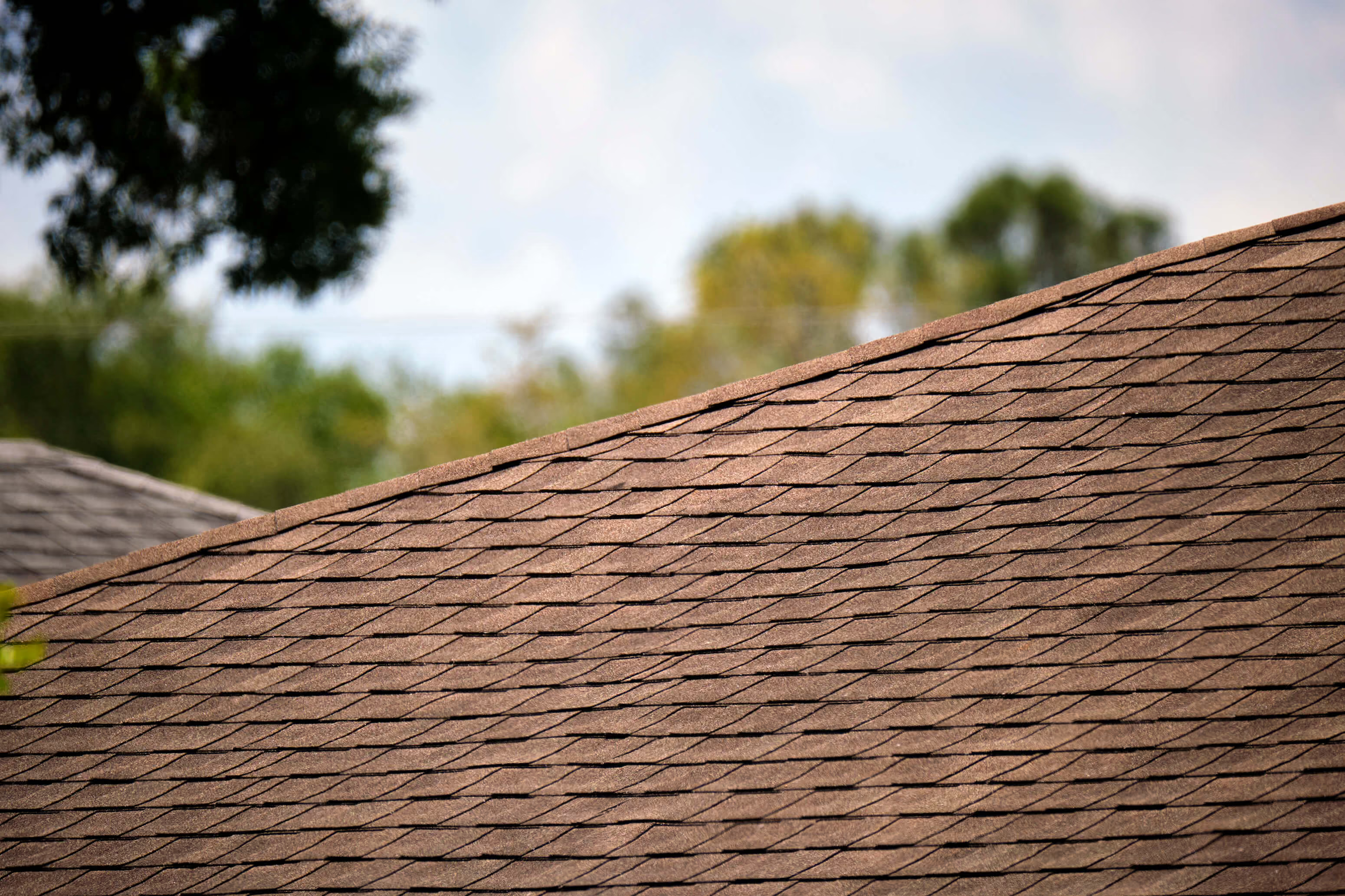
Instead of forming a basic liquid membrane, Liqua-Roof adds a new, high-build granule layer to restore the protective surface of asphalt shingle roofs and flat roof systems.
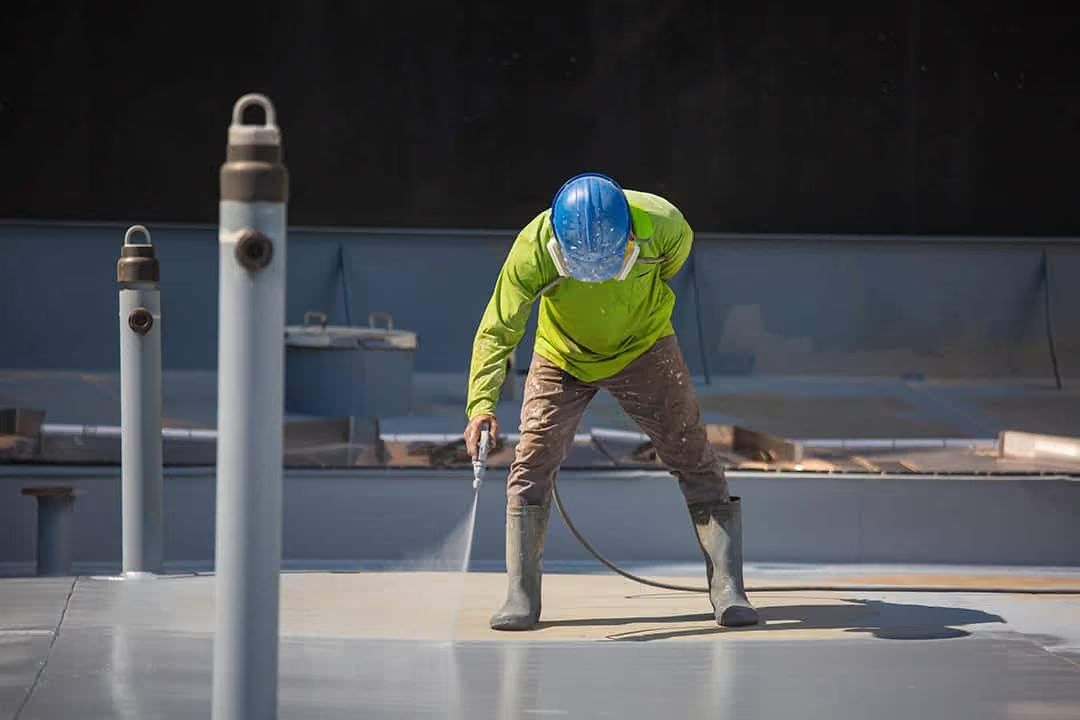
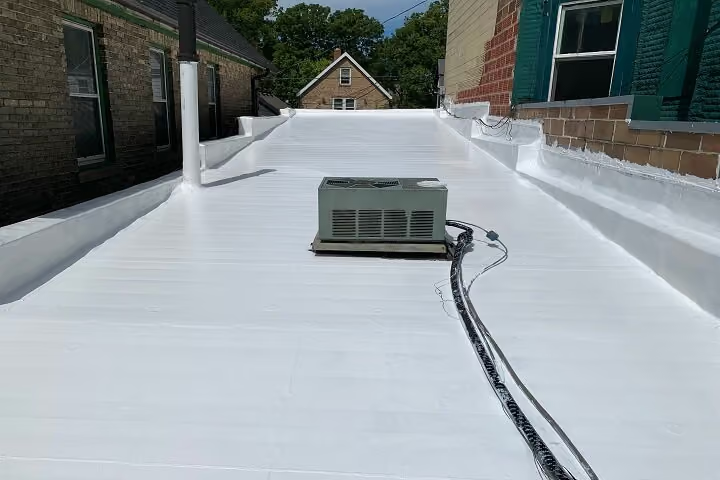
Liquid-applied roofing systems are fluid coatings that cure into a seamless waterproof membrane across the roof surface. They’re commonly used on flat and low-slope roofs to improve waterproofing and extend the life of existing roofing systems.

While liquid-applied systems create a protective coating, Liqua-Roof is a roof resurfacing system that rebuilds the roof’s protective surface with a high-build layer reinforced with real roofing granules.
.svg)

Learn more about roof resurfacing and how it differs from conventional liquid-applied roofing systems.
Not in the traditional sense. Liquid-applied roofing creates a waterproof membrane/film, while Liqua-Roof is a roof resurfacing system that adds a new, high-build granule layer to rebuild the protective surface of shingle and flat roofs. It restores what coatings cannot replace: the granulated layer that protects asphalt.
Typically not. Liquid-applied systems are generally for flat and low-slope roofs (EPDM, TPO, PVC, modified bitumen, metal, concrete). They are not designed for shingles and don’t address granule loss. Liqua-Roof, however, is engineered for both asphalt shingles and flat roofs.
No. Liquid-applied roofing forms a coated or painted film and does not restore lost granules. Liqua-Roof goes further by adding a new, high-build granule layer, reinforcing the roof with real roofing granules, the same material shingles are made from.
Traditional liquid-applied membranes are relatively thin. Liqua-Roof Flat cures into a much thicker (70–80 mils), monolithic, seamless surface reinforced with granules. This results in superior durability, flexibility, and long-term performance, not just waterproofing.
Yes. Liquid-applied membranes typically require periodic reapplication to maintain performance. Liqua-Roof’s resurfacing system, on the other hand, delivers long-term protection and surface rebuilding in a single application.
Fill out the form below and a member of our team will be in touch to schedule your free in-home assessment.


.svg)

.avif)